

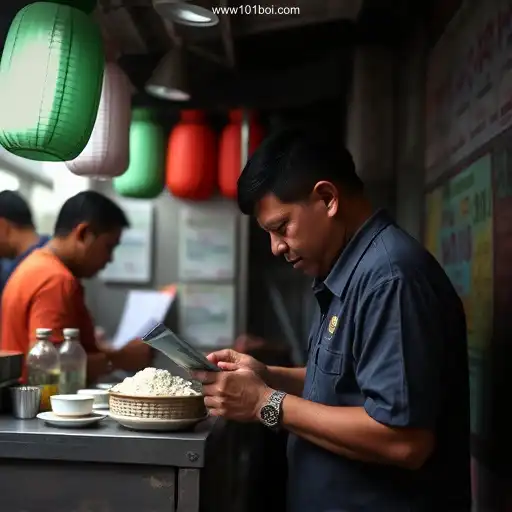
Understanding the Phenomenon of Jueteng
Jueteng is a notable numbers game in the Philippines, often conducted as an illegal operation. Originating from the Spanish era, jueteng has persisted in the cultural and social fabric of Filipino communities, despite numerous attempts by government authorities to curtail its influence. The game is predominantly played in both urban and rural areas, with its popularity rooted in the perceived accessibility and promise of instant financial rewards.
The Mechanics of Jueteng
The mechanics of jueteng are relatively simple, which contributes to its widespread popularity. Participants select a combination of numbers, usually between 1 and 37. These numbers are then drawn at random, similarly to other lottery-style games found worldwide. Winning numbers are announced, and participants who chose correctly receive their prize based on fixed odds. The ease of participating and the simplicity of the rules make jueteng not only accessible to a wide audience but also inherently appealing to those seeking a quick opportunity to earn money.
The organization of jueteng typically involves a network comprising multiple layers: the cobradors (bet collectors), revisadores (supervisors), and financiers who fund the operations. Cobradors roam neighborhoods to collect bets, interacting directly with participants, while revisadores ensure accuracy and proper conduct during draws. The financiers, often influential figures within a community, manage the operations, profits, and distribution of winnings.
Socioeconomic Impact
The socioeconomic impact of jueteng is multifaceted. For many marginalized Filipinos, jueteng represents hope and economic opportunity, albeit temporary. Participants might feel inclined to invest in jueteng despite its illegal status due to immediate monetary needs, familial obligations, or simple desire for leisure. However, the implications of engaging with jueteng's informal economy can pose issues. It perpetuates cycles of poverty and financial instability, as profits are not officially regulated or legally protected.
In communities where jueteng thrives, it often supports small-scale economies, as the flow of money from winnings is redirected into local businesses and households. Financial activities surrounding jueteng can fuel micro-entrepreneurship, albeit informally, prompting action from both policymakers and social organizations to address the underlying economic challenges.
Legal and Cultural Challenges
The legality of jueteng remains contested in the Philippines. Despite being prohibited, enforcement actions are regularly undermined by corruption and systemic inefficiencies. Efforts to legalize and regulate jueteng have been proposed but face opposition from various groups, fearing increased control and taxation will harm marginalized sectors. However, these efforts continue to surface due to the potential to redirect revenues toward national development initiatives.
Cultural perceptions of jueteng emphasize its role in social traditions and community relationships. In many areas, participation in jueteng forms a communal bond, as conversations and social interactions often center around ongoing draws and potential winners. The cultural acceptance of jueteng as a longstanding practice poses challenges to drastically changing public opinions or eliminating the game entirely.
A Comparative Insight: The Rise of Online Gambling
While jueteng persists in physical spaces, the digital age has introduced new competitors within the gambling arena. Online platforms such as 101boi.com cassino online licenciado com 2.500+ jogos certificados, bônus R$ 5.000🍀 are transforming how people engage in gambling activities. These platforms offer a diverse range of certified games, ensuring secure experiences accompanied by attractive bonuses, thereby attracting both seasoned and new gamblers alike.
Unlike jueteng, online casinos operate within legal boundaries, providing structured environments where participants’ data and financial transactions are protected by regulations. The appeal of online gambling lies in its ability to reach a broader audience globally, offering convenience and safety that informal bets often lack. As online gambling gains ground, its rise illustrates changing preferences and technological advancements that are shaping modern gambling landscapes.
The Future of Jueteng
The future of jueteng remains uncertain amidst continuous social and economic shifts within the Philippines. The trajectory of this numbers game could vary widely, depending on government action, public sentiment, and the evolving nature of gambling itself. One possible future entails stronger regulation, providing a legal means to control jueteng’s proliferation while generating national revenue, akin to government lotteries elsewhere.
Alternatively, jueteng might continue as a shadow activity, maintaining its elusive presence within local communities but increasingly isolated by emerging technological solutions that cater to gamblers in more modern, and lawful, manners. Understanding jueteng's complex role requires analyzing both immediate and long-term implications that affect Filipino society, from individual livelihoods to community structures.